Generating quality leads in real estate is the lifeblood of any successful agent or agency. In a competitive market, mastering lead generation can mean the difference between thriving and merely surviving.
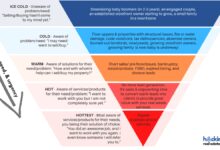
Understanding Leads in Real Estate

Leads in real estate refer to potential clients who have shown interest in buying, selling, or investing in property. These individuals or entities are the starting point of every real estate transaction and form the foundation of a sustainable business model. Without a steady stream of leads, even the most skilled agent will struggle to close deals.
What Exactly Are Leads in Real Estate?
In the real estate industry, a lead is anyone who has expressed interest in property services—whether by visiting a listing, filling out a contact form, attending an open house, or calling an agent. These prospects may be at various stages of the buyer or seller journey, from early research to ready-to-purchase.
- Leads can come from online inquiries, referrals, or offline networking.
- They are categorized based on their level of engagement and intent.
- Effective lead management turns interest into appointments and, ultimately, sales.
“A lead is not just a name and number—it’s a potential relationship that could last a lifetime.” — Real estate industry expert
Types of Real Estate Leads
Not all leads are created equal. Understanding the different types helps agents prioritize their efforts and tailor their follow-up strategies.
- Buyer Leads: Individuals looking to purchase property. These leads often require guidance through financing, neighborhood selection, and negotiation.
- Seller Leads: Homeowners interested in listing their property. They may need pricing advice, staging tips, and marketing plans.
- Investor Leads: Clients seeking rental properties or development opportunities. These leads often have specific ROI expectations and market knowledge.
Each type demands a unique approach, and successful agents segment their leads accordingly to maximize conversion rates.
The Importance of Quality Leads in Real Estate
While quantity matters, the quality of leads in real estate is far more critical. A high volume of unqualified leads can waste time and resources, while a few well-targeted leads can result in multiple closings.
Why Quality Trumps Quantity
High-quality leads are those who are motivated, qualified, and ready to act. They have the financial capability, clear intent, and timeline aligned with your services. According to the National Association of Realtors (NAR), agents who focus on lead quality report higher conversion rates and client satisfaction.
- Qualified leads reduce time spent on unproductive follow-ups.
- They are more likely to trust your expertise and follow your advice.
- They often refer others, creating a compounding effect on your business.
“It’s better to have 10 hot leads than 100 cold ones.” — Top-producing real estate agent
Impact on Conversion Rates and Revenue
The direct correlation between lead quality and conversion rates is undeniable. A study by Zillow found that agents who nurture high-intent leads convert at nearly 3x the rate of those chasing unqualified prospects.
- High-quality leads shorten the sales cycle.
- They require less persuasion and more guidance.
- They contribute significantly to monthly and annual revenue.
Investing in strategies that attract serious buyers and sellers ensures a more predictable income stream and long-term business stability.
7 Proven Strategies to Generate Leads in Real Estate
Generating consistent leads in real estate requires a mix of traditional tactics and modern digital strategies. Here are seven powerful methods that top agents use to fill their pipelines.
1. Leverage Social Media Marketing
Social media platforms like Facebook, Instagram, LinkedIn, and TikTok have become essential tools for generating leads in real estate. With billions of active users, these platforms offer unmatched reach and targeting capabilities.
- Use Facebook Ads to target users based on location, income, and life events (e.g., recently engaged, new job).
- Post engaging content like virtual tours, client testimonials, and market updates.
- Engage with followers through live Q&A sessions and comment responses.
According to Hootsuite, real estate professionals who post consistently on social media generate 45% more leads than those who don’t.
2. Optimize Your Website for Lead Capture
Your website is your digital storefront. If it’s not optimized for lead generation, you’re missing out on a massive opportunity. A well-designed real estate website should convert visitors into leads through strategic design and functionality.
- Include clear call-to-action (CTA) buttons like “Get a Free Home Valuation” or “Schedule a Showing.”
- Use pop-ups or slide-ins with lead magnets such as free market reports or buyer checklists.
- Integrate a CRM to automatically capture and follow up with leads.
Tools like HubSpot and Mailchimp can automate email capture and nurture sequences, turning one-time visitors into long-term clients.
3. Utilize Paid Advertising (PPC and Retargeting)
Pay-per-click (PPC) advertising on Google and social media allows you to target high-intent users actively searching for real estate services. Retargeting ensures you stay top-of-mind with visitors who didn’t convert on their first visit.
- Run Google Ads for keywords like “homes for sale in [city]” or “best realtor near me.”
- Use Facebook Pixel to retarget website visitors with personalized ads.
- Set up conversion tracking to measure ROI and optimize campaigns.
According to WordStream, real estate PPC campaigns can achieve a 200% ROI when managed correctly.
Building a Lead Nurturing System
Generating leads in real estate is only half the battle. The real magic happens in nurturing—building trust and guiding prospects toward a decision.
Automated Email Drip Campaigns
Email remains one of the most effective tools for nurturing leads in real estate. Automated drip campaigns deliver value-packed content over time, keeping you top-of-mind without being pushy.
- Send a welcome series introducing your services and local market expertise.
- Follow up with neighborhood guides, mortgage tips, and success stories.
- Use segmentation to personalize emails based on lead type (buyer, seller, investor).
Platforms like Constant Contact and ActiveCampaign offer robust automation features tailored for real estate professionals.
SMS and Text Marketing
Text messaging has a 98% open rate, making it an incredibly powerful channel for engaging leads in real estate. With proper consent, SMS can be used for quick updates, appointment reminders, and exclusive offers.
- Send new listing alerts to buyer leads.
- Use two-way texting to answer questions in real time.
- Integrate with CRM tools like Kixie or Textedly for scalability.
“The fastest way to reach a lead is through their phone—not their inbox.” — Real estate tech consultant
Offline Strategies to Generate Leads in Real Estate
While digital methods dominate, offline strategies remain highly effective, especially for building trust and credibility in local communities.
Host Open Houses and Community Events
Open houses are not just for selling a property—they’re lead generation goldmines. Every visitor is a potential client, even if they’re not interested in that particular home.
- Collect contact information at sign-in sheets.
- Offer refreshments and create a welcoming atmosphere.
- Follow up within 24 hours with a thank-you message and additional listings.
Community events like charity drives, school fundraisers, or local market days also position you as a trusted neighborhood figure, naturally attracting leads in real estate.
Networking with Local Businesses
Building relationships with mortgage brokers, home inspectors, contractors, and attorneys can lead to a steady stream of referrals. These professionals interact with potential clients daily and are often willing to recommend trusted agents.
- Attend chamber of commerce meetings and business expos.
- Offer referral incentives or co-branded marketing materials.
- Stay in touch with regular check-ins and shared client success stories.
According to BNI (Business Network International), 80% of referrals come from strong, consistent networking.
Measuring and Optimizing Lead Performance
To ensure your lead generation efforts are effective, you must track, analyze, and optimize your results continuously.
Key Metrics to Track
Understanding which metrics matter helps you focus on what drives real results. Here are the most important KPIs for leads in real estate:
- Lead Conversion Rate: Percentage of leads that turn into clients.
- Cost Per Lead (CPL): How much you spend to acquire each lead.
- Lead Response Time: How quickly you follow up (under 5 minutes can double conversion chances).
- Customer Acquisition Cost (CAC): Total cost to acquire a paying client.
Tools like Google Analytics and CRM dashboards provide real-time insights into these metrics.
A/B Testing for Better Results
Small changes can have a big impact. A/B testing allows you to compare two versions of a webpage, ad, or email to see which performs better.
- Test different headlines, images, or CTAs on your landing pages.
- Experiment with subject lines in email campaigns.
- Try different ad creatives on Facebook or Google.
For example, changing a CTA from “Learn More” to “Get Your Free Home Valuation Now” can increase conversions by up to 30%, according to Optimizely.
Common Mistakes to Avoid with Leads in Real Estate
Even experienced agents make mistakes that cost them leads. Being aware of these pitfalls can save time, money, and missed opportunities.
Ignoring Follow-Up
One of the biggest mistakes is failing to follow up promptly. Research by Salesforce shows that 50% of leads are qualified but ignored, and 80% of sales require five follow-ups—yet 44% of agents never follow up more than once.
- Set up automated reminders in your CRM.
- Use multi-channel follow-up (email, text, call).
- Personalize each touchpoint to build rapport.
“The fortune is in the follow-up.” — Real estate sales maxim
Poor Lead Qualification
Not every lead is worth pursuing. Spending time on unqualified leads—those without budget, authority, need, or timeline (BANT)—drains energy and resources.
- Ask qualifying questions early: “What’s your timeline?” “What’s your price range?”
- Use lead scoring to prioritize high-potential prospects.
- Disqualify gently and refer to other services if appropriate.
Effective qualification ensures you focus on leads in real estate who are ready to move.
What are the best sources for leads in real estate?
The best sources include online platforms like Zillow and Realtor.com, social media advertising, local networking, open houses, and referral partnerships with mortgage brokers and contractors. Combining digital and offline strategies yields the highest quality leads.
How quickly should I follow up with a real estate lead?
Follow up within 5 minutes for the highest conversion rate. Studies show that leads contacted within this window are 10x more likely to convert than those followed up after 30 minutes.
What is lead nurturing in real estate?
Lead nurturing is the process of building relationships with potential clients through consistent, value-driven communication. This includes email campaigns, text messages, personalized content, and regular check-ins to guide them toward a buying or selling decision.
Can I buy real estate leads?
Yes, you can buy leads from online portals like Zillow Premier Agent, Realtor.com, or RedX. However, purchased leads are often expensive and less qualified than organic leads. Use them strategically and combine with nurturing for better ROI.
How do I convert more leads into clients?
To convert more leads, focus on prompt follow-up, personalized communication, providing value (like market reports), building trust, and understanding their unique needs. Use CRM tools to stay organized and consistent in your outreach.
Generating and converting leads in real estate is both an art and a science. It requires a strategic blend of digital marketing, personal relationships, and consistent follow-up. By understanding the different types of leads, implementing proven generation strategies, and nurturing prospects effectively, agents can build a sustainable and profitable business. The key is not just to collect leads, but to build relationships that lead to closings—and referrals. In a competitive market, those who master leads in real estate will always stay ahead.
Further Reading:
